Petroleum vacuum residue is cracked and coked in a coking unit to produce petroleum coke. Petroleum coke is a product formed by the thermal cracking of heavy oil, which is obtained after crude oil is distilled into light oil and heavy oil. In appearance, coke is black, blocky, with irregular shapes and varying sizes, and has a metallic luster. Its main elemental composition is carbon, with a content exceeding 80%, while the remainder consists of hydrogen, oxygen, nitrogen, sulfur, and metal elements. Calcined petroleum coke is a partially graphitized form of carbon. It is widely used in industrial fields such as metallurgy and chemical engineering as raw material for electrodes or chemical product production. After undergoing high-temperature cracking, calcination, wet quenching, and cooling processes, the moisture content of petroleum coke is 12-15%; prior to grinding and crushing, the moisture must be dried to below 3%.
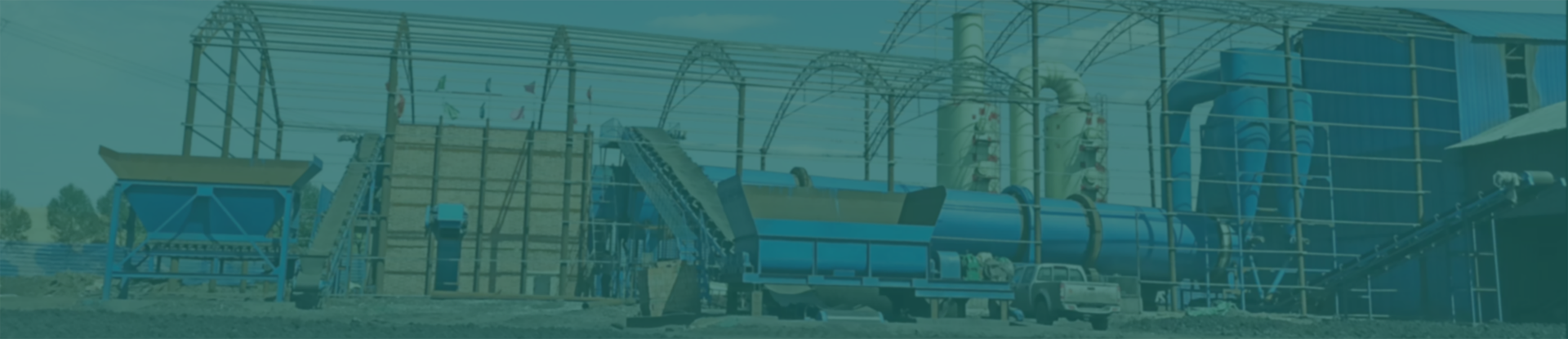
To meet market demand, Zhengzhou Dingli has developed a petroleum coke dryer. Most petroleum coke dryers adopt multi-layer drum dryers, which feature large processing capacity and small footprint. Wet materials can be heated for a relatively long time, thereby reducing heat consumption. Drying one ton of petroleum coke achieves high production efficiency and low cost. Currently, most petroleum coke dryers are environmentally friendly drum dryers. The main heat sources are fuels such as natural gas, fuel oil, and coke oven gas, ensuring that the drying process is environmentally clean. As an industrial drum dryer manufacturer, Zhengzhou Dingli can customize various specifications and models of petroleum coke drying equipment along with corresponding dust removal systems. These equipment are characterized by low operating costs, stable performance, and mature technology.
If you are interested in our products, welcome to Dingli for consultation and equipment ordering.